By Ben Omwaka
More Than Just Pauses
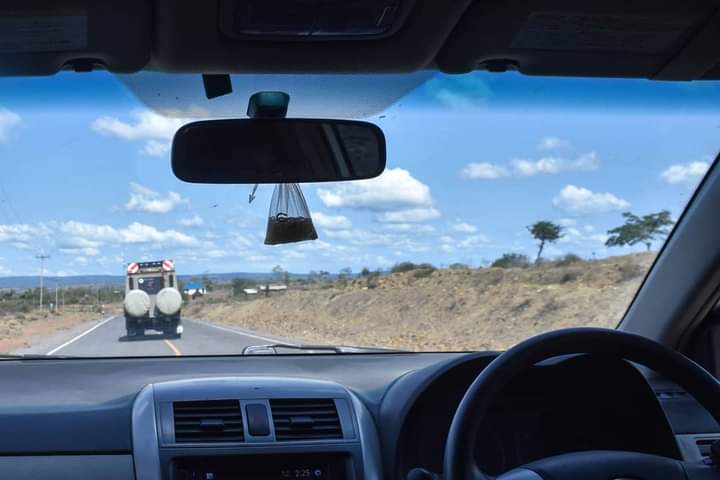
Road trips in Kenya are not only about the kilometers covered or the destinations reached. They are about the pauses; the chai breaks, the nyama choma detours, the fruit stalls, and the relief of finding a clean restroom at the right moment. Stopovers are the punctuation marks of a journey. They break the monotony, reset the body, and often provide the most vivid memories of the trip. A stopover is not simply a break; it is a moment where the road breathes, where travellers reconnect with themselves, with each other, and with the landscapes they are passing through.
Stopovers have also evolved. What used to be a simple roadside stall or a tree shade has now become a mix of modern service stations, organized viewpoints, and bustling roadside economies. Yet the charm of the old ways remains bargaining for fruit at Soko Mjinga, sharing nyama choma at Kikopey, or sipping all kinds of drinks bought at chuoms along the way. This evolution makes stopovers not just functional but cultural, shaping how journeys are remembered. And for photographers, every stopover becomes a canvas: they create stopovers everywhere, whispering “Simama nipige picha” at every beautiful thing they see, turning fleeting pauses into timeless frames.
Stopovers as an Art Form
Calling stopovers an “art” may sound dramatic, but they really are. They require judgment knowing where to stop and when to stop. They involve taste deciding what food or drink defines the pause. They demand awareness recognizing who you are traveling with and what they need at that moment. And most importantly, they create memories whether it is laughter over fast foods, frustration at a poorly kept restroom, or a breathtaking photo taken at a viewpoint.
A stopover is never neutral. It either elevates the journey or drags it down. That is why travelers often remember the stop more vividly than the road itself. The stall where you laughed and engaged with strangers, the fruit vendor who convinced you to buy more than you planned, or the viewpoint where you took a photo that is still your phone screensaver these are the stories that make road trips unforgettable.
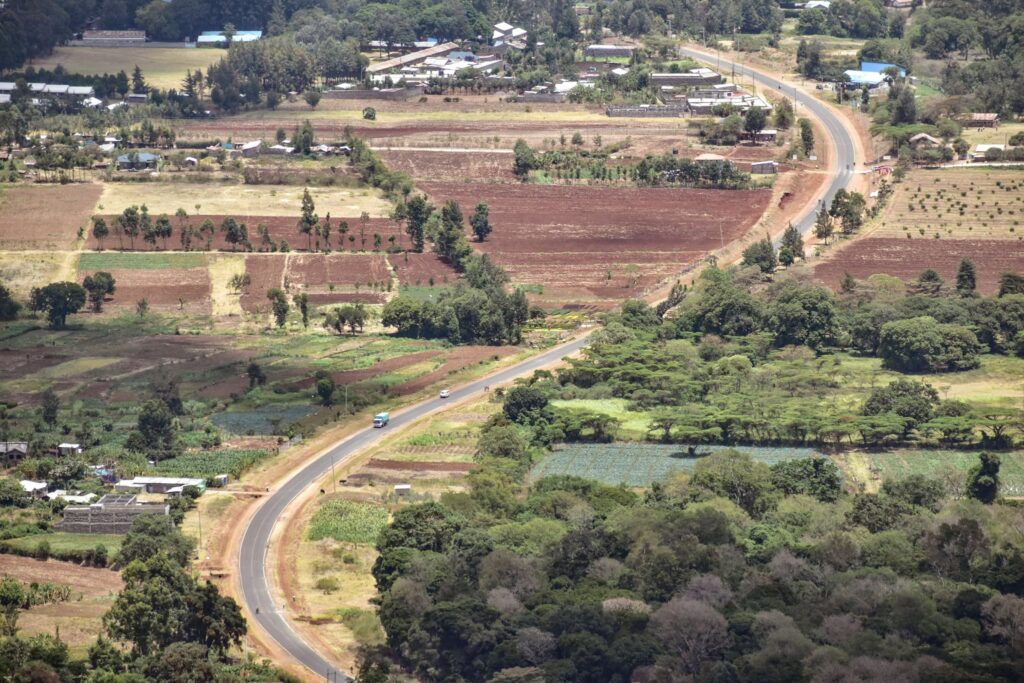
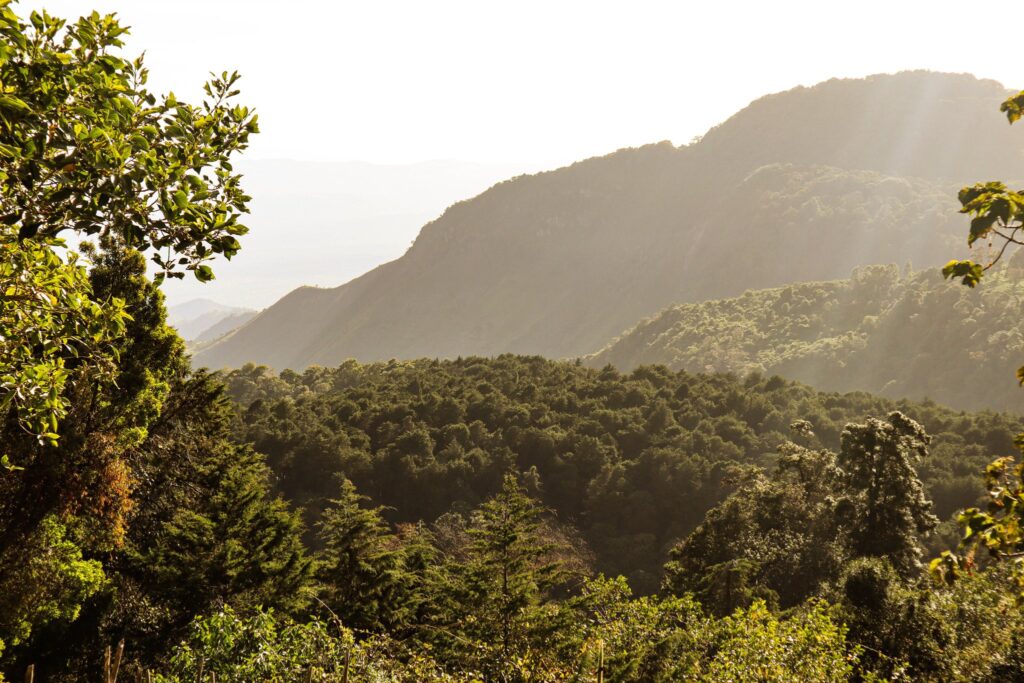
Subikia Viewpoint, Nakuru-Nyahururu. Photo: Ben Omwaka
What Makes a Good Stopover?
The definition of a “good” stopover shifts depending on who you are, when you stop, and where you are headed. For a solo traveler, good might mean a quick, safe restroom and a strong cup of tea before getting back on the road. For a family, it might mean shaded seating, food variety, and a clean play area for children. For truckers, it is reliable fuel, secure parking, and a place to rest without worrying about theft. For photographers, it is a scenic viewpoint with dramatic light and enough space to safely park and capture the moment.
Good stopovers combine essentials such as safety, cleanliness, accessibility with a touch of local culture. A stopover with fresh fruit, local dishes, or a scenic view does more than serve a need; it creates a memory. That is why places like Kikopey, Mtito Andei, Delamere and Subukia viewpoint remain iconic. Nakuru as a town is arguably just one big stopover. They are not just stops; they are experiences.
Solo vs Group Travel
Solo travelers often prioritize efficiency. Their stops are shorter, less social, and more focused on safety and quick service. They are vulnerable at night, so busy, well-lit stops with visible staff or trucker presence are the best choice.
Group travelers, on the other hand, turn stopovers into social events. Friends, families, or colleagues linger longer, order food, take photos, and sometimes shop. Group dynamics can be chaotic, someone always disappears to buy fruit, take photos, or well, no one knows where they go to, but they disappear. The solution is simple: agree on a meeting point and departure time before dispersing.
Kenya’s Iconic Stopovers
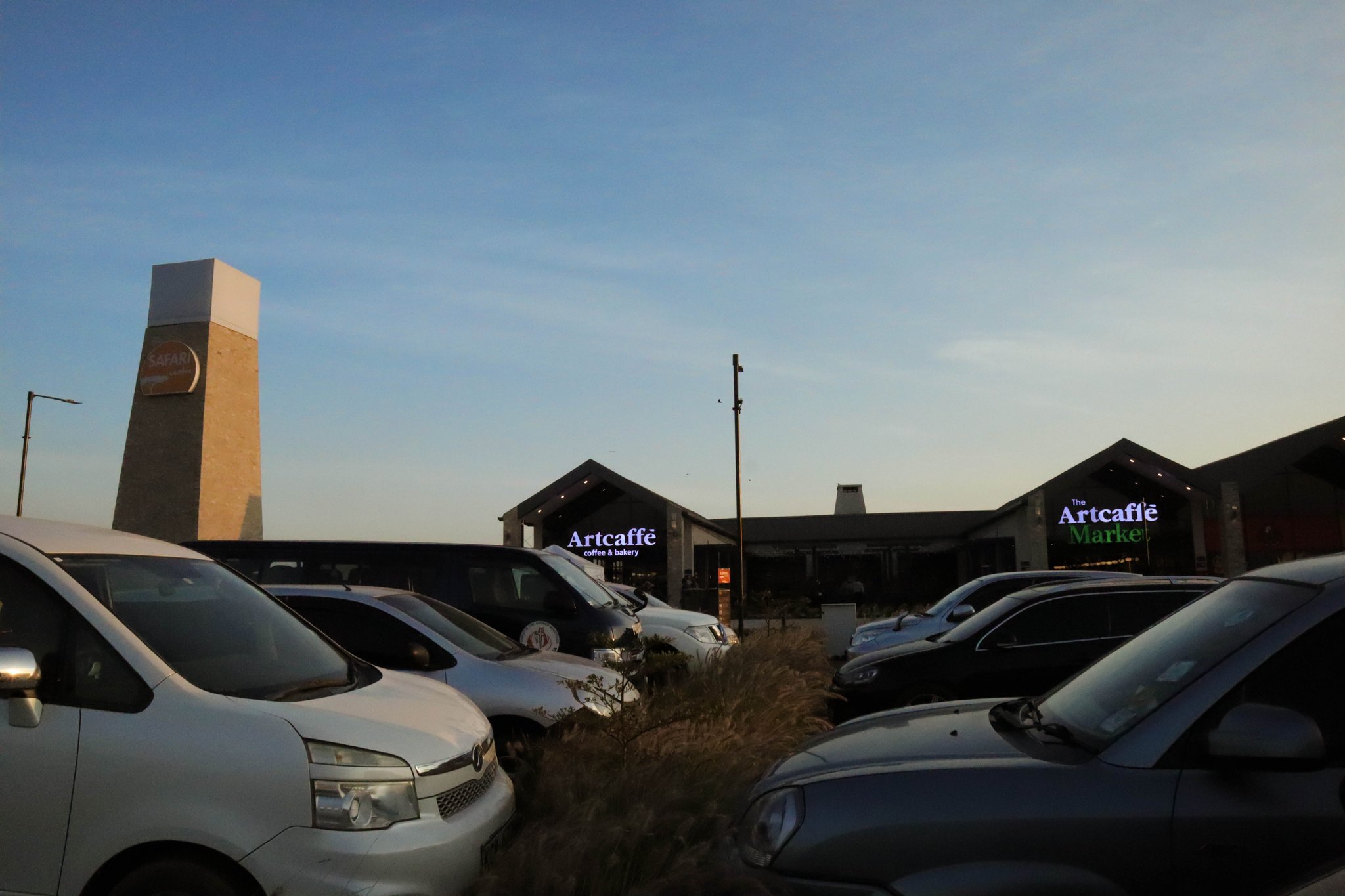
Kenya’s highways are dotted with iconic stopovers that have become part of the travel culture. Mtito Andei on the Nairobi–Mombasa highway is a midpoint lifeline, offering 24/7 services, multiple eateries, and a trucker ecosystem that makes it feel like a small town. Delamere in Naivasha is polished and family-friendly, with clean restrooms, coffee, and a bakery. Kikopey is the roast meat belt, where truckers and families gather for nyama choma, and where high turnover guarantees freshness.
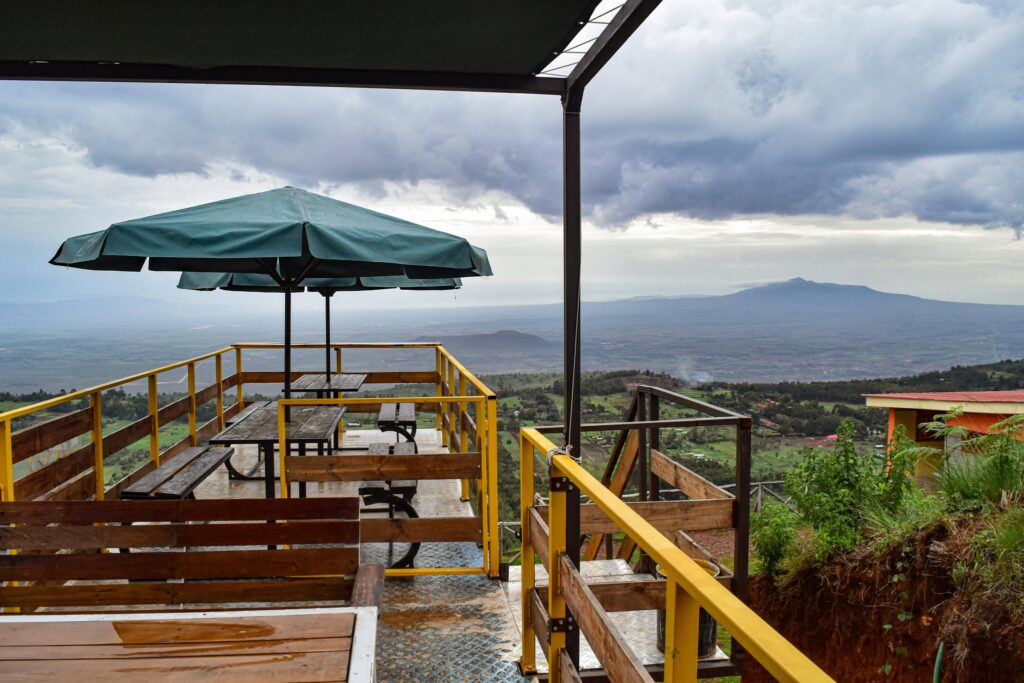
Subukia viewpoint offers sweeping views of the Rift Valley, while Kabarnet escarpment drops dramatically into the Kerio Valley, perfect for sunset shots. Soko Mjinga is a roadside economy of fruit stalls and bargaining culture, while Salgaa is a night-stop reality check, heavy with truckers and fatigue management. Each of these places is more than a stop; it is a story. Stopovers are about managing fatigue and taking a break, but are they really? Stopovers are an important part of the trip.

Food and Drink: The Heart of Stopovers
Food defines the character of a stopover. Nyama choma at Kikopey or Mtito Andei is more than a meal; it is a ritual of diplomacy where strangers become friends over grilled meat. Chapati and mandazi provide quick energy, affordable and universally loved. Fruit stalls add color and seasonality.
And let’s be honest, not all stops are planned. Sometimes nature calls, and you have to stop whether you want to or not. Those unplanned pauses are part of the fun, the stories you laugh about later, and the moments that make road trips unpredictable and human.
Timing and Seasonality
Timing changes everything. Fatigue windows demand stops every two to three hours, and pushing beyond safe limits can be dangerous. Stops that feel safe at noon may feel risky at midnight, which is why lighting and security matter more at night. Holiday traffic can turn popular stops into congested hubs, while rainy seasons can flood parking surfaces and make unpaved stops unusable. Choosing wisely means balancing convenience with safety, and sometimes sacrificing speed for peace of mind.
Safety and Security
Safety is the invisible backbone of every stopover. Solo travelers should park near busy areas, avoid isolated corners, and lock valuables. Groups should assign one person to watch belongings and agree on meeting points before dispersing. Night stops are safest where there are visible guards, trucker presence, or police patrols. The general rule is simple: busy is safer. Choose stops with activity, and you will feel more secure.
Viewpoints: The Scenic Side of Stopovers
Not all stops are about food or fuel. Some are about beauty. Longonot viewpoint offers sweeping views of the Rift Valley, Gilgil escarpment provides dramatic drops perfect for photos, and Subukia and Kabarnet viewpoints remind you why the journey matters.
These stops are double-edged: they provide memorable photos and shared joy, but they often lack facilities and can be risky if parking is poor. Still, they are the places where your photos will shine landscapes, skies, and human moments framed by Kenya’s geography.
Economics and Community Impact
Stopovers sustain local economies. Vendors, cooks, attendants, mechanics, and fruit sellers rely on road traffic for survival. Highway changes, bypasses, and new lanes can revive or kill a stopover, shifting livelihoods overnight. Stopovers are micro-economies, and every traveler who pauses contributes to the rhythm of local life.
The Evolution of Stopovers
Stopovers have changed dramatically. What used to be simple roadside stalls are now transforming into modern service areas with CCTV, EV charging, and standardized restrooms. Along the A104 Nairobi to Nakuru highway, there has been a significant increase in the number of stopovers, turning the route into a chain of lively hubs where travelers can rest, refuel, and enjoy local culture. Counties are investing in safer, cleaner, and more accessible stops, recognizing their role in road safety and tourism. Yet the charm of local culture remains bargaining at Soko Mjinga, nyama choma at Kikopey, or grabbing fresh fruit from roadside vendors. The future of stopovers lies in balancing modern infrastructure with the authenticity of local stories, ensuring that they remain both functional and memorable.
The Rhythm of Travel
Stopovers are the unsung heroes of Kenyan road trips. They are where fatigue fades, friendships form, and journeys reset. Whether you are traveling solo or in a group, heading to Diani or Nakuru, the right stop at the right time can transform your trip.
So next time you hit the road, remember: stopovers aren’t interruptions they are the rhythm of travel, the art that turns a journey into a story worth telling. And with every photo captured along the way, they become part of a larger narrative one that celebrates Kenya’s roads, its people, and the beauty of pausing.
About the Author: I am a communications practitioner and photographer with a deep interest in travel, adventure, nature, and community storytelling. My style blends artistry with the spirit of nature and the strength of community, creating narratives that connect journeys with people and places.