
By Ben Omwaka
From Beads to Blogs
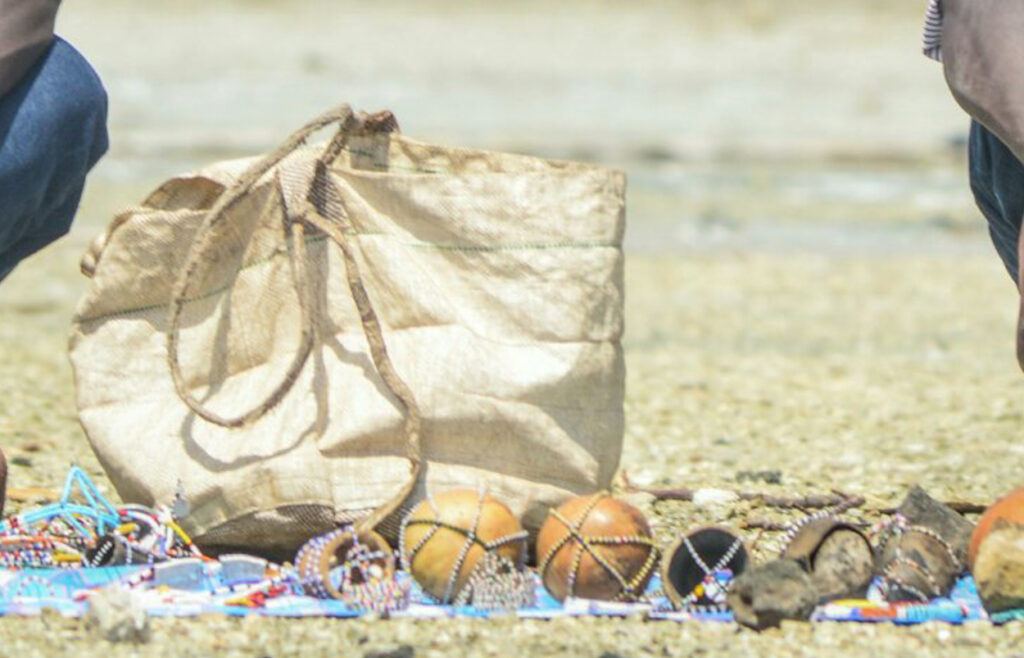
For decades, travel in Kenya was defined by souvenirs. Visitors left with Maasai beadwork bought at roadside stalls, Kikois, local crafts, carved wooden animals and a wide range of other keepsakes. Tourism was about ticking off destinations and collecting physical reminders of the journey. But in the past decade, something profound has shifted. Travel is no longer just about where you go, it’s about what you share. Kenya has become a hub for content creation, where every hike, meal, and sunset is captured, posted, and transformed into digital storytelling. This evolution reflects not only global trends but also Kenya’s unique embrace of technology, community, and creativity.
The Rise of Influencers in Kenyan Travel
In the past, tourism marketing relied on glossy brochures and international tour operators. Today, it is driven by Instagram reels, TikTok videos, and YouTube vlogs. Kenyan influencers, travel photographers, lifestyle bloggers, and adventure seekers have become the new ambassadors of the country. Their content often begins with the familiar call “hey guys!” as they invite audiences into their adventures, making viewers feel like part of the journey. Wildlife shots from Maasai Mara or Amboseli go viral, attracting global audiences. Short clips of hiking Ngong Hills or zip lining in Kereita Forest showcase Kenya’s adrenaline side, while long‑form vlogs document road trips to Naivasha, camping at Hell’s Gate, or exploring Nairobi’s food scene. These creators don’t just show places; they tell stories, blending personal experience with cultural insight and turning Kenya into a relatable, aspirational destination for audiences both local and global.

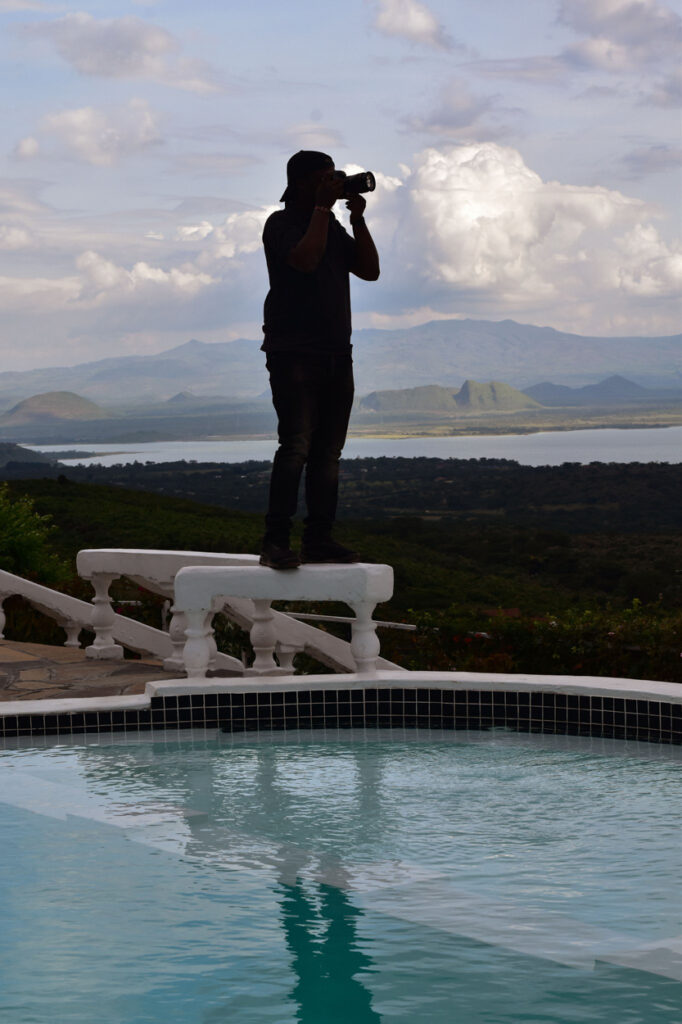
Photographer Jose Mras taking photos while at Lemon Valley Farm Estate. Photo: Ben Omwaka




Travel Content Creation: Not Just for the Young
It is easy to assume that travel content creation is only for young people chasing trends. Yet in Kenya, posting about travel has become normal across generations. Some do it to trend, chasing likes, hashtags, and viral moments. Others do it simply because it has become part of everyday life sharing a hike, a family trip, or a meal is now second nature. Older travelers and professionals that are not necessarily in the creative industry are documenting journeys, proving that storytelling is not limited by age or profession.
Government Digitization Strategy
Kenya’s Ministry of Tourism has recognized the power of digital storytelling. Post‑COVID recovery strategies emphasized online booking systems, virtual tours, and digital campaigns. Initiatives like Magical Kenya now rely heavily on social media to reach audiences. During lockdowns, Kenya pioneered live‑streamed safaris, allowing global audiences to experience wildlife from home. Hashtags like #TembeaKenya and #MagicalKenya encouraged citizens to share their own travel experiences. Collaborations between government agencies and content creators amplified reach and authenticity. This digitization reflects a broader national strategy: positioning Kenya as a leader in Africa’s digital tourism revolution.
Community Storytelling and the WhatsApp Effect
Beyond influencers, everyday Kenyans are shaping travel narratives. WhatsApp groups, Facebook forums, and online communities have become spaces where trips are planned, memories shared, and stories preserved. Even unfulfilled plans create bonding and digital memory. Communities extend the life of trips by circulating photos and videos long after the journey ends. Travel becomes less about individual experience and more about shared storytelling. This grassroots content creation embodies the Twenderaundi philosophy: travel is about community, not just destinations.
Twenderaundi and Content Creation
#Twenderaundi has been at the heart of this transformation. What began as a hashtag for hikes and road trips has grown into a platform that blends photography, travel, and community storytelling. Through photography, Twenderaundi has documented landscapes, wildlife, and cultural moments across Kenya. By posting consistently, it has shown how content creation can be both artistic and communal. As highlighted in The Twenderaundi Story, the initiative proves that travel content is not just about clicks, it is about building narratives that endure. Twenderaundi demonstrates that content creation is not limited to influencers chasing trends; it can be a philosophy of living, where every journey is preserved and shared.
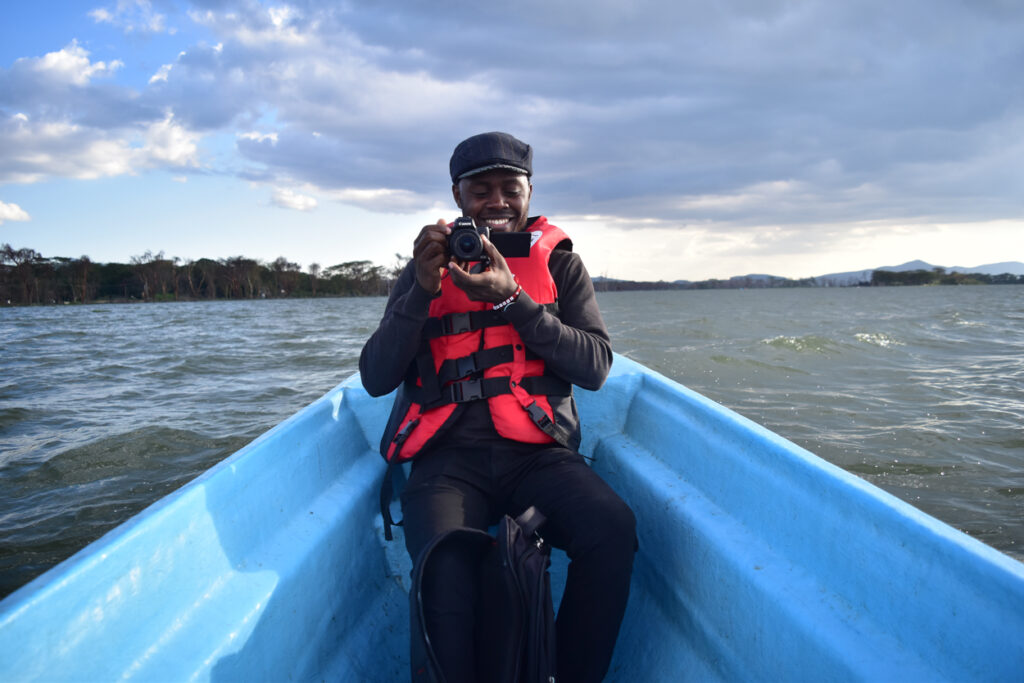
Photographer and visual artist Anderson Mwambonu (Don Sanchez) capturing photos and videos during a boat ride in Naivasha. Photo: Ben Omwaka.
Economic Impact of Content Creation
The shift to content creation has tangible economic effects. Lodges, restaurants, and tour guides gain visibility when featured in influencer posts. Viral content often translates into increased tourism revenue. Content creation itself has become a career path, with Kenyans earning through brand partnerships, sponsored posts, and YouTube monetization. A viral TikTok of a street food vendor in Nairobi can drive foot traffic and transform a small business overnight.
Cultural Representation and Reclaiming Narratives
For years, Kenya’s global image was dominated by safari stereotypes. Content creation allows Kenyans to reclaim their narrative. Nairobi nightlife, art galleries, and food scenes showcase modern Kenya. Content highlights communities beyond the Maasai curios. Posts about matatu rides, local markets, or family gatherings reveal Kenya’s vibrancy beyond tourism clichés. This democratization of storytelling ensures that Kenya is seen in its full complexity, not just through the lens of outsiders.

Tuliza Cottages, Elementaita.
Challenges of Content‑Driven Travel
While content creation enriches tourism, it also presents challenges. Travelers may prioritize “Instagrammable” moments over genuine cultural immersion. Viral content can overwhelm destinations, straining resources and communities. The pressure to constantly document can detract from the joy of simply experiencing. Some creators stage content, raising questions about representation. Balancing storytelling with sustainability is crucial for Kenya’s tourism future.
Kenya’s Content Revolution
Kenya’s shift from souvenirs to stories marks a new era in travel. What was once about collecting beadwork, carvings, or postcards has become a culture of digital storytelling where every hike, meal, and sunset is shared online. This content revolution has redefined tourism, turning private memories into public narratives that influence perceptions, drive bookings, and give visibility to small businesses. It has also democratized storytelling, allowing Kenyans themselves not just outsiders to shape how the country is seen, from safaris and wildlife to nightlife, food, and everyday life.
For Twenderaundi, this transformation is more than a trend. It reflects a philosophy that travel is about memory, community, and influence. By documenting landscapes, wildlife, and cultural experiences through photography and shared stories, Twenderaundi shows that journeys live beyond the trail. The challenge ahead is to balance authenticity with sustainability, ensuring that content creation enriches both travelers and communities. Done well, Kenya’s content revolution will continue to build narratives that endure and position the country as a leader in Africa’s digital tourism age.
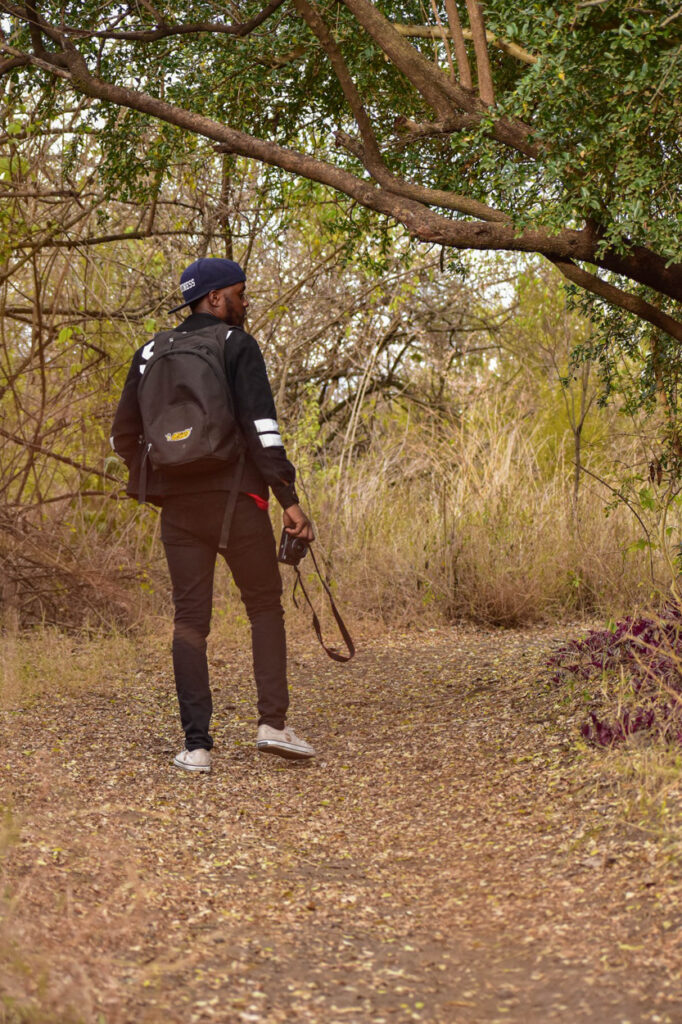
About the Author: I am a communications practitioner and photographer with a deep interest in travel, adventure, nature, and community storytelling. My style blends artistry with the spirit of nature and the strength of community, creating narratives that connect journeys with people and places.